What to Look for When Viewing a Rental Property in Middlesbrough
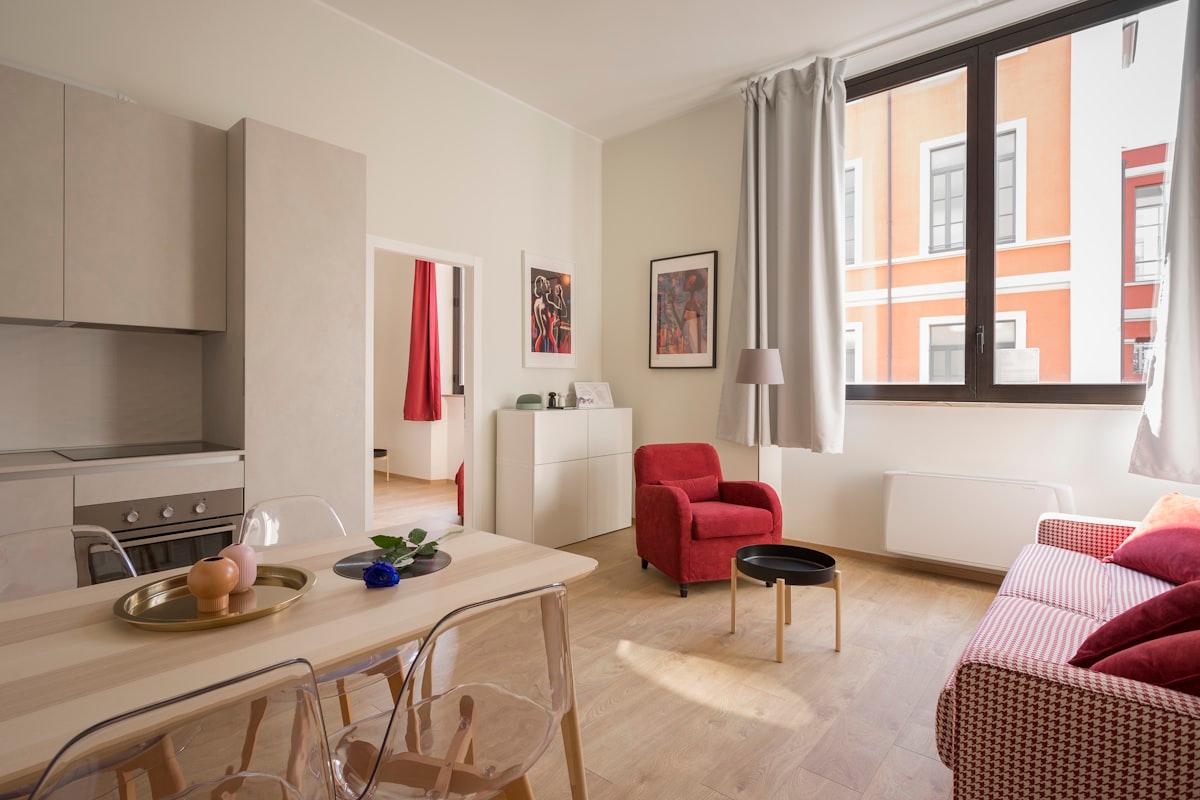
When you're looking to view a rental property in Middlesbrough, you've found somewhere that catches your eye online. Now comes the hard part: deciding whether it's actually liveable in person. You get one chance to inspect the place properly before you sign the tenancy agreement, and twenty minutes of thorough checking now can save you months of frustration later.
This checklist covers everything that actually matters when viewing rental properties in Middlesbrough and across Teesside — from the boiler to the damp, from parking to the neighbourhood.
Preparation Before You Arrive
The viewing starts before you walk through the door. Check the property listing carefully and note anything specific you want to examine in person. Use Google Maps and Street View to understand the neighbourhood, parking situation, and what's nearby.
Write down your questions. You will forget things in the moment (everyone does), and a list keeps you honest. Bring your phone to photograph rooms — most landlords and agents are fine with this, and photos help you compare properties when you're deciding between viewings.
Visit the area at different times if you can. A quiet street on a Tuesday morning looks completely different on a Friday night. This is especially important for properties near the town centre in TS1 or on busier roads like Marton Road. Noise you can't hear during a daytime viewing becomes very apparent at 10pm. For first-time renters, our complete guide to renting your first property in Middlesbrough covers these preparation steps in more detail.
Systems Check: Heating, Hot Water, and Electrics
Your heating bill is one of your biggest monthly expenses. Teesside winters are real, so check what type of heating the property has.
Gas central heating with a combi or system boiler is standard and generally the most cost-effective to run. Electric storage heaters are significantly more expensive and slow to respond when you need heat fast. Ask when the boiler was last serviced. Landlords must renew a Gas Safety Certificate annually — if they can't show you one, walk away. A well-maintained boiler is less likely to fail when the weather turns.
Turn the heating on during your viewing. Check that radiators in every room actually get hot and listen for strange noises from the boiler. Run the hot water taps — you want to know whether you'll have a 10-minute wait for a hot shower on a winter morning.
For electrics, look at the consumer unit (the fuse board). A modern unit with RCD protection is what you want. An old-style rewirable fuse board suggests the electrics haven't been updated in years. Check socket density in each room — if you see only one or two sockets, you'll be living with extension leads, which is both inconvenient and a mild fire hazard. Ask to see the Electrical Installation Condition Report. Landlords are required to have a valid EICR. If the agent can't produce one, that's a red flag. Once you've moved in, understanding how to set up utilities properly is essential for getting your tenancy off to a good start.
Damp, Ventilation, Windows, and Doors
Damp is the most common issue in rental properties across Middlesbrough, particularly in older terraced houses in TS1 and TS3. Know what to look for.
Black mould — Check corners of rooms, around windows, behind doors, and in bathrooms. It's usually caused by condensation and poor ventilation. You can manage some mould, but persistent mould suggests a deeper problem that won't go away.
Cold or damp walls — Touch walls at ground floor level and below windows. Walls that feel cold or damp may have rising or penetrating damp. This is not something you can fix by opening a window.
Musty smell — Trust your nose. A stale, musty smell when you first enter is a strong indicator of damp, even if you can't see it.
Peeling wallpaper or bubbling paint — These are symptoms of moisture behind the surface.
Check ventilation. Bathrooms and kitchens must have extractor fans. Windows should open fully. Properties that have been sealed up tightly without adequate ventilation are prone to condensation problems. That's not an investment in your comfort — it's an investment in mould.
For windows and doors, check that everything opens and closes properly. In older properties, wooden frames warp and swell. Single-glazed windows are terrible for heat loss and noise; you'll notice a significant difference in your energy bills and in how much street noise enters. Test the front and back doors for security. They need deadlocks and should close firmly. Check that the keys actually work. Window locks on ground floor windows should be functional — that's a security issue, not an optional upgrade.
Kitchen, Bathroom, and Storage
In the kitchen, check the condition of worktops, cupboards, and flooring. Open cupboards under the sink — look for damp, rust, or signs of pest activity. Test the taps for water pressure. If the cooker is included, check that all rings work and the oven heats properly.
In the bathroom, examine the sealant around the bath and shower. Deteriorated sealant lets water penetrate behind tiles and into the floor, causing damage that costs money to fix. Flush the toilet and run the shower — water should drain quickly. Slow drainage suggests a blockage or poor plumbing design.
For storage: photographs are deceptive. Wide-angle lenses make rooms look bigger than they are. Listing photos rarely show storage space. Measure the bedrooms to see whether your furniture will fit. Open built-in wardrobes and cupboards. If you have specific items — a large sofa, a double bed, a desk — bring a tape measure or ask the agent for room dimensions. Nothing's worse than moving in to discover your bed doesn't fit through the door. Understanding what to expect when you're moving into a rental property helps you prepare properly in advance.
Neighbourhood, Parking, and Outside Space
Step outside and look around. Is the street well-maintained? Are neighbouring properties in good condition? Do you see overflowing bins, boarded-up windows, or signs of anti-social behaviour?
Check the distance to shops, bus stops, your workplace, and anything else that matters to you. Walk to the nearest main road and listen for traffic noise. Properties on or near busy roads can have significant noise that isn't obvious when windows are closed.
Parking matters in Middlesbrough. Some streets in TS1 and TS5 have permit parking or very limited on-street availability. Check whether the property has a driveway or garage. If not, visit the street at different times to see how easy parking actually is. It's easy to find a space on a Tuesday at 2pm. It's much harder at 7pm on a Friday.
For properties with gardens, check the condition and who's responsible for maintenance. Some tenancies require you to maintain the garden (mowing, weeding, general upkeep). If the garden is already overgrown, ask whether the landlord will bring it into reasonable condition before you move in. Our guide to rental property gardens explains exactly where your responsibilities start and end.
Energy Efficiency and Key Questions
Ask to see the Energy Performance Certificate. Properties are rated A (most efficient) to G (least efficient). Properties rated D or above are reasonable to heat. Anything below E costs noticeably more. Properties rated F or G cannot legally be let unless the landlord has a specific exemption.
Most rental properties in Middlesbrough sit in the D to E range. Properties recently insulated, with double glazing throughout, and with a modern boiler perform better.
During the viewing, ask the agent or landlord these questions:
- How long has the property been empty?
- Why did the previous tenant leave? (This tells you a lot.)
- How quickly are maintenance issues dealt with?
- What's included in the rent?
- Is the tenancy fixed-term or periodic, and what's the minimum term?
- Are there any planned works to the property?
- Can you see the Gas Safety Certificate and EICR?
The answers reveal how the property is actually managed and whether the landlord is responsive and professional.
Frequently Asked Questions
Q: How long should a viewing take? A: A proper viewing takes at least 20–30 minutes. If the agent is rushing you through, that's worth noting. Don't feel pressured into a decision on the spot. A good property will still be available tomorrow, and a professional landlord won't pressure you.
Q: What should I do if I notice damp during the viewing? A: Don't ignore it. Ask the landlord directly what steps they've taken to address it and request evidence of remedial work. If you're unsure, consider having a surveyor inspect the property before you commit. Your rights as a tenant are protected under the Renters Rights Act, and landlords must maintain properties in a habitable condition.
Q: Can I ask for a second viewing? A: Absolutely. Most landlords and agents will accommodate a second viewing, especially if you're seriously interested. Bring a friend or family member if you want a second opinion.
Q: What's a reasonable energy bill for a Middlesbrough rental? A: This depends on the property's EPC rating, the heating type, and your usage. A property rated D with gas central heating typically costs £80–£120 per month to heat. Properties below E will be noticeably more expensive. Ask the agent for a rough estimate or check our guide to rent affordability in Teesside.
Q: What happens if I find something wrong after I move in? A: If you discover a maintenance issue, report it to your landlord immediately in writing. Landlords are required to carry out repairs within a reasonable time (usually 14–28 days depending on urgency). If repairs aren't made, you have legal remedies.
Q: Should I get a professional survey? A: For most rental properties, a full survey is overkill. But if you're signing a long-term tenancy or the property is older and shows signs of damp or structural issues, it's worth the cost to avoid a miserable year. A basic survey costs £150–£300 and can save you months of frustration.
Q: What should I check in the bathroom specifically? A: Test water pressure, check that the toilet flushes immediately, run the shower to see if water drains quickly, and inspect the sealant around the bath and shower. If sealant is cracked or missing, water is getting into the structure behind the tiles.
Q: What if the property is at a higher rent than similar properties nearby? A: Compare rental prices in the local area using Rightmove or Zoopla. If you're being asked for significantly more than comparable properties, ask the agent why — is there something special about this property, or is it simply priced higher? You'll find options for more affordable rentals across Teesside if you're prepared to look.
A good viewing with a professional landlord or agent is thorough and unhurried. You're about to commit to living somewhere for at least six months — take your time, check everything on this list, and don't let anyone push you into deciding on the spot. If you're viewing rental properties across Teesside, we conduct thorough accompanied viewings and are happy to answer any question you have. Get in touch today to see what we have available.