Renting vs Buying in Middlesbrough: Which Makes More Sense in 2026?
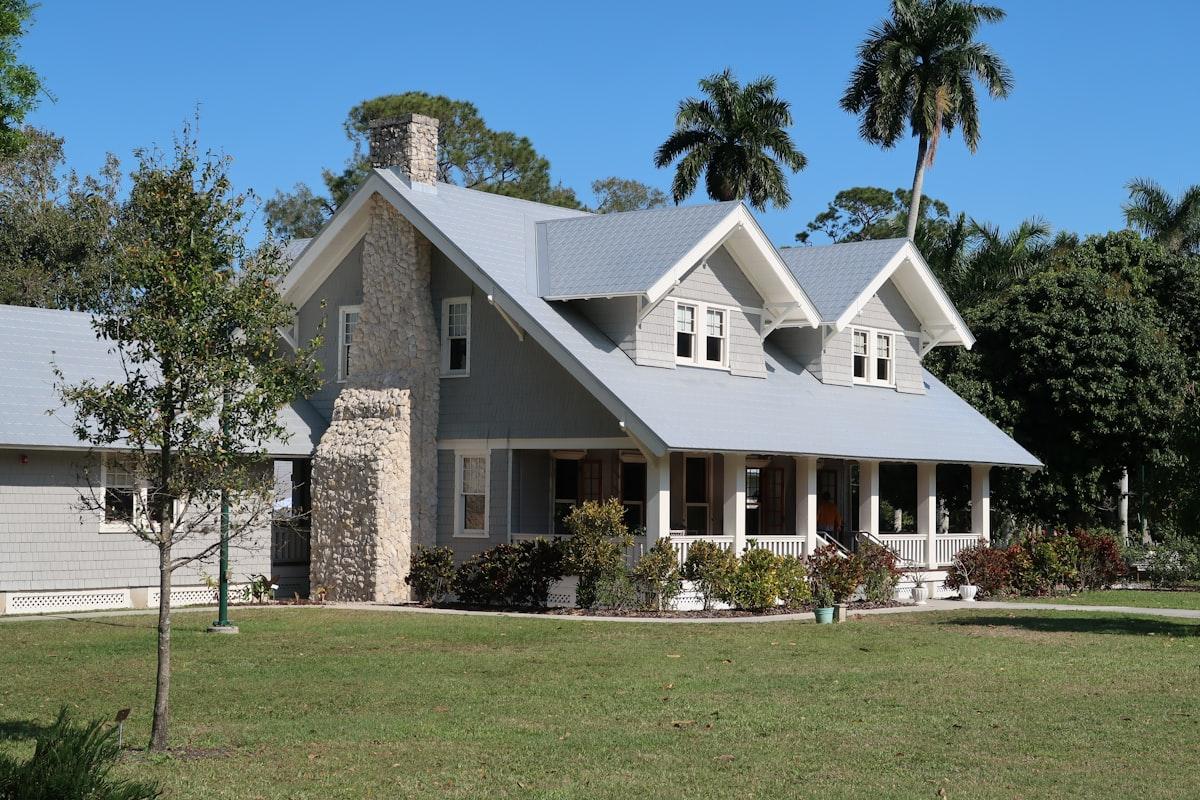
Should you rent or buy in Middlesbrough? It's the question that shapes your finances for decades. The answer depends on your savings, your plans, and the specific market you're in. And Middlesbrough's market is different from London, Manchester, or Leeds. In Middlesbrough, which makes renting and buying two genuinely different choices, the numbers matter more than ever.
Teesside remains one of the most affordable places to own a home in England. At the same time, rental costs here are modest by national standards. So the rent-versus-buy calculation isn't just about monthly payments — it's about whether you're building wealth or not. Let's break down the real numbers for 2026.
The Cost of Buying vs Renting in Middlesbrough
Buying: The Numbers
The average house price in Middlesbrough in 2026 sits at approximately £140,000 to £155,000, according to Land Registry data. That's roughly half the national average and a fraction of what you'd pay in southern England.
Take a typical first-time buyer scenario: a £140,000 property with a 10% deposit (£14,000), borrowing £126,000 on a mortgage. At a 2026 interest rate of around 4.5% fixed for five years, your monthly mortgage payment would be approximately £700 on a 25-year term.
On top of that, you need to budget for:
- Buildings insurance: around £20 per month
- Maintenance and repairs: at least £100 per month for an average property
- Council tax (Band B in Middlesbrough): approximately £145 per month
Your total monthly housing cost as an owner comes to roughly £965.
Upfront costs are significant: the £14,000 deposit, solicitor fees (£1,000 to £1,500), survey costs (£300 to £600), and moving expenses. Budget at least £17,000 to £18,000 to get through the front door — though stamp duty doesn't apply on properties under the first-time buyer threshold.
Renting: The Numbers
Average rents across Middlesbrough vary by area and property type. A two-bedroom terraced house in TS5 or TS3 currently lets for between £500 and £625 per month. A three-bedroom semi in a popular family area like Acklam or Marton (TS7) typically commands £650 to £800.
For a fair comparison, let's use £600 per month for a two-bedroom property — roughly what a first-time buyer might purchase.
Your total monthly cost as a renter:
- Rent: £600
- Contents insurance: around £15 per month
- Council tax: £145 per month (unless included in your rent)
That's approximately £760 per month.
Upfront costs are dramatically lower: a tenancy deposit of one month's rent (£600) and potentially a holding deposit. Once you're in, you'll need to set up utilities, but your total upfront cost is under £1,000.
The Monthly Comparison: Which Is Cheaper Right Now?
On a pure monthly cost basis, renting in Middlesbrough is cheaper than buying — by roughly £200 per month in our example. That gap is wider than it was five years ago, primarily because mortgage rates have risen from the historically low levels of 2021 and 2022.
But here's what this comparison misses: equity. When you make a mortgage payment, a portion of it goes toward reducing your outstanding loan. After five years, you've built up several thousand pounds in equity. After 25 years, you own the property outright. Rent payments build no equity whatsoever.
This is the fundamental tension between renting and buying. One costs less per month. The other builds wealth. Which matters more depends entirely on your timeline and priorities.
Building Equity: Why Buying Pays Off
On a £126,000 mortgage at 4.5% over 25 years, after five years you'd have repaid approximately £14,000 of the principal. Combined with your original £14,000 deposit, you'd have £28,000 of equity in a property — before any price appreciation.
If the property's value increases by just 3% per year (conservative for Middlesbrough given current regeneration trends), it would be worth approximately £162,000 after five years, giving you equity of around £50,000.
Over the same five years, a renter paying £600 per month would have spent £36,000 with nothing to show for it in terms of assets.
The equity gap is real. It compounds. After 10 years, it becomes substantial. After 20 years, it's life-changing.
This is particularly powerful in Middlesbrough because the entry price to homeownership is low enough that it's achievable on a single average income — something that's increasingly impossible in much of southern England.
When Should You Rent?
Despite the long-term wealth argument, renting is the better choice in several clear situations.
You need flexibility. Buying ties you to a specific location. If your job might change, if you're unsure about staying in Teesside, or if your circumstances are in flux, renting gives you the freedom to move with relatively short notice. If you're relocating to Middlesbrough for work and want to test the area first, renting is the smart move. Selling a property takes months and costs thousands in fees.
You can't afford the upfront costs. Saving £14,000 to £18,000 for a deposit and purchase costs is a significant hurdle, particularly for younger people. Renting while you save isn't wasted time — it's a practical necessity for many people.
The rental property is significantly better than what you could buy. In Middlesbrough, £600 per month in rent might get you a well-maintained property in a desirable area. The equivalent mortgage payment might only cover a property that needs work in a less popular location. Quality of life matters.
You're not ready for the responsibilities. Owning a property means dealing with maintenance, repairs, insurance, and all the costs that come with them. A boiler replacement can cost £2,500. A new roof can run to £5,000 or more. As a renter, those costs are your landlord's problem.
If any of these apply to you, read our guide to renting your first property in Middlesbrough for the practical steps to secure a rental on solid terms.
When Should You Buy?
You plan to stay for at least five years. The transaction costs of buying and selling mean you need several years of equity growth and capital appreciation to break even. In Middlesbrough, five years is generally the minimum horizon for buying to make financial sense over renting.
You have the deposit and stable income. With Middlesbrough's affordable prices, the deposit requirement is lower than almost anywhere else in England. If you have the savings and a reliable income, buying allows you to start building wealth through property.
You want to lock in your housing costs. A fixed-rate mortgage gives you predictable payments for the term of the fix. Rents can increase annually — and they have consistently over the past decade. Over a 25-year mortgage term, your payments will eventually feel very cheap compared to market rents. And then they stop entirely.
You want an asset. Property ownership is the foundation of wealth for most British households. In Middlesbrough, the entry price is accessible enough that home ownership is genuinely achievable for a much larger proportion of the population than in other UK cities.
Why Middlesbrough Is Different
What makes this calculation different in Middlesbrough compared to most UK cities is the affordability multiple. In London, the average property costs ten times the average salary. In Middlesbrough, it's closer to four times. That ratio makes buying a realistic option for a much larger proportion of the population.
It also means the rent-to-buy gap is smaller here. In London, the monthly cost of buying is often double or triple the cost of renting an equivalent property. In Middlesbrough, the gap is modest — roughly £200 per month in our example. This makes the long-term wealth-building benefits of ownership more accessible.
Plus, Teesside is in the middle of significant regeneration. Middlesbrough town centre, the riverside developments, and continued investment in local infrastructure mean property values here have more growth potential than in stagnant areas. That 3% annual appreciation assumption isn't just conservative — it's realistic.
Frequently Asked Questions
Q: What's the stamp duty situation for first-time buyers in Middlesbrough?
A: As a first-time buyer, you're exempt from stamp duty on properties up to £500,000. Since the average property in Middlesbrough is around £140,000–£155,000, you won't pay stamp duty at all. This saves you thousands and is one of the reasons buying entry-level property in Middlesbrough makes sense.
Q: Can I get a mortgage with a smaller deposit?
A: Yes. Some lenders offer 5% deposit mortgages, though these typically come with higher interest rates (around 0.5–1% more than a 10% deposit mortgage). If you can only save £7,000, a 5% mortgage is possible — but factor the higher interest cost into your calculations.
Q: What if I'm renting now but want to buy later? How much should I save?
A: Aim for at least 10% of the purchase price as your deposit, plus an additional £3,000–£5,000 for legal fees and survey. For a £140,000 property, that's roughly £17,000–£19,000 total. If you're currently renting at £600 per month, you could save this amount in about 30 months if you set aside £600 per month.
Q: Are there grants or schemes that help first-time buyers in Middlesbrough?
A: The government's Help to Buy scheme has ended, but Middlesbrough's affordability means you likely don't need it. Local property prices and low deposit requirements make buying more accessible here than in most of the UK. Check with a mortgage broker about any local schemes your lender might offer.
Q: What happens to my rent if my tenancy ends?
A: When your fixed tenancy period ends and you move to a periodic tenancy (month-to-month), your landlord can increase the rent with proper notice — typically one or two months' notice depending on your tenancy agreement. Read our guide to tenant rights in Middlesbrough for the specifics of what's legal and what protections you have.
Q: How long does it actually take to buy a property?
A: From offer to completion typically takes 8–12 weeks. The process involves: offer accepted, mortgage in principle, survey and valuation, legal checks, and exchange of contracts. Add another 4–6 weeks if you're selling a property too. In Middlesbrough's relatively calm market, timelines are usually predictable.
Q: What's the best time to buy or rent in Middlesbrough?
A: There's no perfect timing. Prices and rents don't fluctuate dramatically here. What matters more is whether your personal circumstances align with the rent-or-buy decision. If you're planning to stay five years and have the deposit saved, don't wait for the "perfect market" — the equity you build over that time will almost certainly outweigh the cost of slightly off-timing. If you're renting while you save, focus on finding the right property rather than the right moment.
There's no universal right answer. The best choice depends on your savings, your income stability, your plans for the next five to ten years, and your personal priorities.
What we can say is that Middlesbrough offers one of the most favourable environments in the country for first-time buyers. The entry price is low. The mortgage payments are manageable. The equity you build by owning property here compounds over time in a way that renting simply cannot match.
Whether you're looking to rent in Middlesbrough, considering buying your first property, or trying to decide between the two, understanding your local market is the first step. Ascot Knight knows Middlesbrough inside out — what areas offer the best value, what rents are achievable, where the opportunities lie, and what questions first-time buyers most commonly miss. Get in touch to start the conversation.