Investing in New-Build vs Period Properties in Middlesbrough
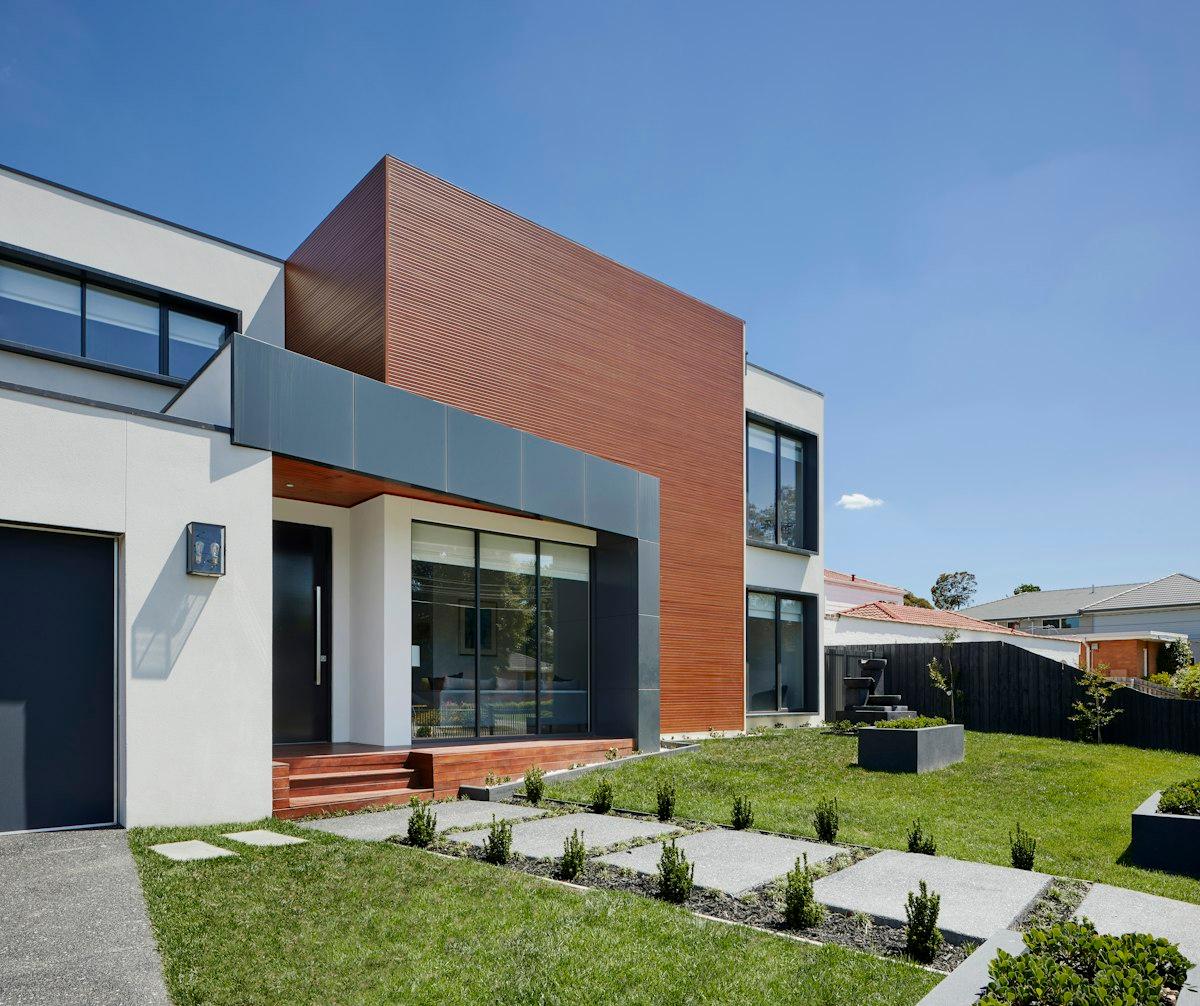
The most common question we hear from investors considering Middlesbrough is straightforward: should I buy a new-build or an older property? Both options are readily available across Teesside, and both have vocal advocates. But the right answer — when you're investing new build and period properties — depends on your investment goals, your risk tolerance, and the actual numbers in front of you.
Here's what we see in the Middlesbrough lettings market.
The Middlesbrough Property Landscape
Middlesbrough's housing stock spans over 150 years. The town centre and inner suburbs — Linthorpe, North Ormesby, Gresham — are dominated by Victorian and Edwardian terraces. Move further out to Acklam, Marton, and Nunthorpe, and you find inter-war semis and detached houses. The newest developments — Stainsby Hall, Brookfield, and around Coulby Newham — offer contemporary homes with modern specifications.
This variety gives you a genuine choice. The price points are dramatically different. A two-bedroom Victorian terrace in TS3 might cost £70,000 to £90,000. A three-bedroom new-build on a development in TS8 could be £220,000 to £280,000. The rental income, maintenance profile, and tenant demographic for each are fundamentally different.
Why Rental Yield Matters (and Where Period Properties Lead)
This is where period properties in Middlesbrough have a clear advantage. Lower purchase prices combined with rents that don't shrink proportionally produce significantly higher gross yields.
Take these real examples from our portfolio:
Victorian terrace, 2-bed, TS3
- Purchase price: £80,000
- Monthly rent: £525
- Gross yield: 7.9%
Post-war semi, 3-bed, TS5
- Purchase price: £145,000
- Monthly rent: £725
- Gross yield: 6.0%
New-build, 3-bed, TS8
- Purchase price: £245,000
- Monthly rent: £950
- Gross yield: 4.7%
The pattern is consistent across Teesside. New-builds command higher absolute rents, but the purchase price is so much higher that your yield compresses. For landlords focused on cash flow — which is the primary strategy for most buy-to-let investors — period properties win on the numbers.
But yield isn't the only metric that matters.
Maintenance: The Hidden Cost of Older Properties
This is where new-builds claw back ground. A property built in 2024 with a ten-year NHBC warranty, modern wiring, efficient heating, and double-glazed windows will cost very little to maintain in its first decade. Your major systems are covered. Unexpected repairs are rare.
A Victorian terrace is another story. Common maintenance issues in older Middlesbrough properties include:
Damp and condensation. Solid-wall construction without cavities means these properties are inherently prone to damp. Damp is one of the more common reasons a tenancy goes sideways — and it's also one of the more avoidable. Remedial treatments, improved ventilation, and internal insulation can help, but they cost money.
Ageing electrics. Properties that haven't been rewired may need a full EICR-compliant rewire. Budget £3,000 to £5,000 for a two-bedroom terrace.
Roof repairs. Slate roofs last well but eventually need work. A full re-roof on a mid-terrace: £3,000 to £6,000.
Boiler replacement. Older properties often come with ageing boilers, and work must be carried out by a Gas Safe registered engineer. A new combi boiler installed costs £2,000 to £3,500.
Window replacement. If the property still has single glazing, replacement windows for a terrace typically cost £2,500 to £4,000.
A realistic maintenance budget for an older Middlesbrough terrace is 12% to 15% of annual rental income. For a modern property, 5% to 8% is reasonable. Over a ten-year holding period, this difference adds up to several thousand pounds.
When you're evaluating whether to buy a period property, checking below-market-value properties often means older stock — which is why the maintenance maths matter so much before you commit.
Energy Efficiency and the EPC Deadline
The government's direction is clear: minimum EPC standards for rental properties are tightening. The destination — a minimum EPC rating of C for all rental properties — hasn't changed.
New-builds typically achieve EPC ratings of A or B without any additional work. Period properties in Middlesbrough commonly sit at D or E. Bringing an older property up to a C rating can cost £5,000 to £15,000, depending on the starting point and the measures required.
For investors, this is essential. A new-build is EPC-ready from day one. A period property may require significant investment to meet future standards. Factor this cost into your purchase decision — it is not optional.
The good news: many EPC improvement measures — insulation, efficient heating, LED lighting — also reduce the property's running costs, making it more attractive to energy-conscious tenants. The investment has a double benefit.
Capital Growth and Long-Term Demand
Historically, period properties in established areas tend to appreciate more consistently than new-builds, which can suffer from an initial "new-build premium" that erodes in the first few years.
In Middlesbrough, the pattern is nuanced. New-builds in desirable locations — Nunthorpe, for example — hold their value well because location is the primary driver. New-builds on developments further from established amenities may take longer to establish value.
Period properties in sought-after streets of Linthorpe (TS5) and the Acklam area have shown steady, reliable capital growth over the past decade. The combination of character, location, and limited supply — nobody is building new Victorian terraces — supports long-term appreciation. If you're considering investing in why TS1 and TS3 are rental hotspots, capital growth is part of that story.
For investors optimising for both capital growth and rental income, location matters more than the age of the building.
Who Rents What: Understanding Your Tenant
The type of property you buy influences who your tenants will be:
Period terraces in TS1, TS3, TS5 attract young professionals, couples, and small families who value character, central locations, and affordability. Tenancies average 12 to 18 months. Turnover is moderate.
Family homes in TS5, TS7 — older or newer — attract families with school-age children. These tenants value stability, schools, and safe neighbourhoods. They tend to stay longer (24 to 36 months is common) and take good care of properties.
New-builds on modern developments attract young professionals and families who prioritise modern finishes, low energy bills, and warranty-backed peace of mind. These tenants often pay a premium for a property that feels new and maintenance-free.
None of these is inherently better. The question is which aligns with your investment strategy and helps you build a property portfolio in Teesside in a way that works for you.
Making the Decision: New-Build vs Period
The right choice depends on what you're optimising for:
Choose period properties if: You prioritise rental yield and cash flow, you're comfortable managing higher maintenance, you have the capital to fund EPC improvements, and you're looking for long-term holds where character and location drive demand.
Choose new-builds if: You prioritise low maintenance and warranty protection, you want EPC compliance from day one, you're targeting premium tenants willing to pay higher rents, and you prefer hands-off management.
Consider a mixed portfolio if: You want balance. Many successful Teesside landlords own a combination of high-yielding period terraces that generate strong cash flow and lower-yielding modern properties that offer stability and lower maintenance. The blend provides diversification across property types, tenant demographics, and risk profiles.
Frequently Asked Questions
Q: What's the realistic maintenance cost difference over ten years? A: A Victorian terrace costing £80,000 with £525/month rent generates £6,300/year. At 12–15% of rental income, you're spending £756–£945 per year on maintenance. A new-build generating the same rent at 5–8% is £315–£504 per year. Over ten years, that's a £4,400–£6,300 difference. It matters.
Q: Can I improve a period property's EPC rating without a full renovation? A: Yes. Loft insulation, cavity wall insulation (if the property has cavities), and a new boiler can move a D or E rating towards C. Budget £5,000–£15,000 depending on what the property already has. A full EPC assessment will tell you which measures are cost-effective for that specific property.
Q: Do new-builds always let for more than older properties? A: Not always. A Victorian terrace in Linthorpe can sometimes let for more per square foot than a modern semi-detached on the edge of town. Location and catchment — schools, transport, local amenities — are the primary drivers. That's why assessing a neighbourhood before you buy is essential, not optional.
Q: What's the typical tenant turnover rate for new-builds vs period stock? A: Period terraces in city centres typically see 12–18 month average tenancies. Modern family homes see longer stays (24–36 months). New-build apartments on developments fall somewhere in between. Higher turnover means higher re-letting costs and more vacancy, so this directly affects your net yield.
Q: Am I forced to make EPC improvements on a period property? A: The EPC C deadline will eventually apply to all rentals. If you own a D or E property, improvement costs are coming. Better to factor them in now when assessing the investment, or accept that you'll face them before the deadline. It's not optional — only the timing is flexible.
Q: How do I know if a period property has structural or damp problems before I buy? A: A full survey is essential. Don't rely on the EPC or a mortgage valuation — they don't assess structural condition or damp risk. We recommend a Level 3 structural survey for any period property. It costs £500–£1,000 and can save you tens of thousands.
Q: Which postcodes offer the best yields on period properties in Middlesbrough? A: TS3 and TS5 historically offer the strongest gross yields (7–8% on terraces) because of lower purchase prices and sustained tenant demand. But the street and specific property matter as much as the postcode itself. That's why we always recommend looking at how to assess a specific neighbourhood before committing.
Q: Should I buy one new-build or two period terraces with the same money? A: Two period properties at £80,000 each give you £12,600/year gross rental income (7.9% yield on £160,000). One new-build at £245,000 gives you £11,400/year (4.7% yield). For pure cash flow, the two terraces win. For simplicity and lower maintenance, the new-build wins. Most successful landlords find a mix works best — it gives you diversification across property type and tenant profile.
Next Steps
The new-build vs period decision is often the first step in building a buy-to-let strategy. Once you've decided on property type, you'll want to think about financing, location, tenant demand, and how to add value to a Middlesbrough rental property over the medium term.
If you're looking at a specific property and want to understand the local tenant market, realistic rental demand, and the maintenance profile based on the building's age and condition, that's where we come in. We manage both period and modern properties across Middlesbrough and Teesside. We can run the numbers with you, help you stress-test your assumptions, and advise you based on what we actually see in the lettings market.
Get in touch with our team for a free rental valuation and neighbourhood assessment of any property you're considering. Let's make sure your investment decision is based on facts, not guesswork.