Living in Ingleby Barwick: Teesside's Family-Friendly Investment Hotspot
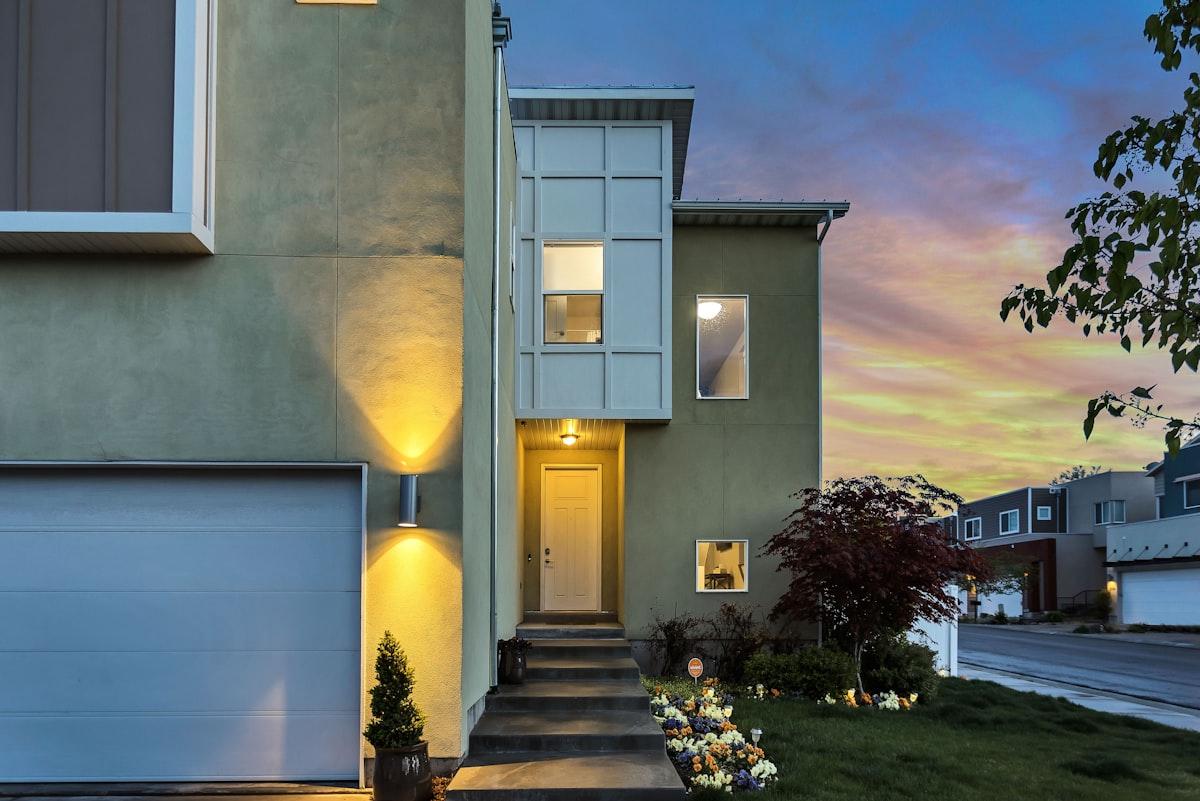
Living in Ingleby Barwick means joining Teesside's largest family-focused housing community. Not a historic neighbourhood that evolved organically. A masterplanned estate of 25,000+ residents where every school, shop, and green space was designed for the families who live there.
For landlords, it offers something rarer than headline yields: consistency. For tenants, it's a safe, well-maintained place to raise a family without the sprawl of newer estates or the compromises of older urban areas.
Ingleby Barwick sits in Stockton-on-Tees, between the A19 and the River Tees. It's one of Europe's largest private housing estates — and it's grown intentionally, not chaotically. That matters.
Why Ingleby Barwick Works for Families
The estate began in the 1970s on farmland south of Thornaby. Here's the difference from most Teesside residential areas: it wasn't built piecemeal over decades. It was designed as a series of self-contained villages from the start.
Each village — Beckfields, Blair Avenue, Sandgate, Lamb's Farm, Rings End — has its own character, green spaces, and focal points. Walk around and it doesn't feel like one large housing estate. It feels like a collection of small communities that happen to share excellent infrastructure.
Development is still ongoing. New phases bring modern housing stock, updated utilities, and fresh investment in amenities. Most estates built 40+ years ago age quietly. Ingleby Barwick keeps reinventing itself — which is part of why it stays attractive to families and keeps drawing landlord interest.
If you're comparing Ingleby Barwick to other Teesside investment options, the planning matters. Intentional design means better schools, fewer empty streets, and tenants who stay longer.
The Housing Stock and Rental Yields
Ingleby Barwick has three distinct housing markets within it:
Starter homes and townhouses (2–3 bedrooms). Built from the 1980s onwards, these typically sell for £130,000–£175,000 and rent for £650–£800/month. They appeal to couples and young families looking for a first home in a safe area with good schools nearby. Void periods are usually short — a week or two. Gross yields typically run 4.5–5.5%.
Family homes (3–4 bedrooms, detached and semi-detached). These are the backbone of Ingleby Barwick. Prices range £175,000–£280,000; rents £800–£1,100/month. Demand from families is consistently strong — stronger, in fact, than comparable properties in many other TS postcodes. Void periods are very short. Gross yields sit at 5–6%.
Executive homes and newer builds. Recent phases include larger detached properties with modern specifications. They rent for £1,100–£1,500/month and attract professional families relocating to employers across the Tees Valley. These tenants stay longer (families don't move every two years) and create lower churn.
Ingleby Barwick yields are slightly lower than properties in central Middlesbrough (TS1, TS3), where you might see 6–8%. But Ingleby Barwick properties cost £50–100k less, attract more stable tenants, and need substantially less maintenance. The net return is often comparable — and the stress is lower.
Schools and Tenant Demand
The primary reason Ingleby Barwick has deep rental demand is its schools. Full stop.
The area is served by several well-regarded primaries: Ingleby Mill Primary, Barley Fields Primary, and St Therese of Lisieux Catholic Primary. All Saints Academy is the local secondary and is rated Good by Ofsted — which isn't "outstanding", but it is solid, consistent, and trusted by families who matter here.
For families with school-age children, the quality of local education is the single most important factor in where they choose to live. Ingleby Barwick delivers reliably on this, which is why tenant demand remains strong regardless of broader market conditions.
This shapes the tenancies you'll get. Family tenants tend to sign longer agreements (often 3 years rather than 1), take better care of properties, and create fewer management headaches than transient populations. For landlords seeking stable, low-friction income, this is a significant advantage.
The community feel matters too. Families choose Ingleby Barwick not just for schools but for the sense of a managed, safe neighbourhood. Compare this to living in Redcar or living in Hartlepool, which are fine areas but don't have quite the same family infrastructure.
Location, Transport, and Amenities
Ingleby Barwick sits immediately adjacent to the A19, which connects north to Sunderland and Newcastle (20 minutes to Middlesbrough town centre) and south to York and the Midlands. The A66 is a short drive away for access to Darlington and the A1(M). For commuters, this is genuinely useful.
Thornaby railway station is about ten minutes by car. Regular services run to Middlesbrough, Darlington, and connections to the East Coast Main Line. It's not a major transport hub, but it's enough for people who commute into larger employment centres.
Within the estate, you've got cycle paths, footpaths, and a regular bus service connecting the villages to Stockton town centre and Teesside Park. It's well thought-out — not car-dependent, but car-friendly.
For day-to-day living, Ingleby Barwick is well-served. There's a Morrisons, convenience shops, a medical centre, dental practices, and a pharmacy scattered across the villages. Teesside Park (one of the largest retail parks in the North East) is less than ten minutes away by car. Stockton town centre is a similar distance.
The real amenity is the green space. Parks, playing fields, and the Tees Heritage Park along the river provide outdoor recreation within walking distance of most properties. For families with children, safe streets and accessible green space are often as important as any shop.
The Investment Case: Consistency Over Headline Yields
Ingleby Barwick won't generate the 8–10% gross yields available on cheaper properties in central Middlesbrough. But here's what it will do:
Tenant demand is deep and resilient. Family tenants actively seek out Ingleby Barwick for the schools, safety, and community feel. Void periods are genuinely rare. If you price competitively and present the property well, you'll have tenants lining up.
Tenant quality is consistently high. You attract working families with stable incomes who look after their homes and stay for years. The number of problem tenancies in Ingleby Barwick is measurably lower than in areas with more transient populations.
Maintenance costs are lower. The housing stock is relatively modern (1980s onwards), well-built, and in generally good condition. You won't encounter the structural problems, rising damp, and heritage heating systems that make some Victorian and Edwardian terraces expensive to maintain.
Capital growth has been steady. Ingleby Barwick has consistently tracked or outperformed the Stockton average for capital appreciation. Ongoing development keeps the area desirable and supports long-term values (the opposite of ageing estates that lose appeal over time).
The area is self-sustaining. With its own schools, shops, healthcare, and green spaces, Ingleby Barwick doesn't depend on any single employer or economic driver. That resilience makes it a lower-risk investment compared to areas tied heavily to one industry — relevant if you're comparing to other Teesside investment hotspots or premium suburbs.
The investment case, in short: you trade headline yield for tenant stability, lower costs, and genuine long-term appeal. That's a fair trade if you're looking for income that doesn't disappear between void periods and emergency repairs.
What to Watch Before You Invest
If Ingleby Barwick is on your list, keep these in mind:
Presentation matters. Family tenants in this area expect clean, well-maintained, modern properties. Dated kitchens, tired bathrooms, and worn carpets will sit longer and command lower rents than comparable properties that have been updated. The new-build competition sets expectations high.
Gardens are important. Almost all Ingleby Barwick properties have outdoor space. For family tenants, a well-maintained garden is often a deciding factor. Keep gardens tidy between tenancies and ensure fencing is secure and attractive. A shabby garden signals neglect elsewhere.
Competition from new builds. Ongoing development means your property competes not just with other rentals but with newly constructed homes offered by developers. These new builds offer modern specifications, heat-pump heating, EPC A ratings, and the cachet of "new". You can't beat them on newness, so compete on price, character, or value. A well-maintained older home at £750/month often lets faster than a competing new build at £850/month.
Frequently Asked Questions
Where exactly is Ingleby Barwick, and what postcode? Ingleby Barwick is in the borough of Stockton-on-Tees, on the south bank of the River Tees between the A19 and Thornaby. Postcodes include TS17 5BX and surrounding TS17 postcodes. It's about five miles south of Middlesbrough town centre.
What are realistic rental yields in Ingleby Barwick? Gross yields typically range from 4.5–6%, depending on property type, condition, and current market rates. Starter homes and newer builds sit at the lower end; well-maintained 3–4 bed family homes at the upper end. Net yield (after management, maintenance, voids, and council tax) is usually 3–4.5%.
Do I need to use a letting agent, or can I manage the property myself? Legally, you can manage a single property yourself. Practically, most landlords find an agent worthwhile because family tenants in Ingleby Barwick expect responsive, professional management. Maintenance issues (boiler, plumbing, electrics) need quick turnaround, and tenant queries need prompt answers. Using an agent ensures you meet those expectations and protects the tenancy.
How long do family tenancies typically last in Ingleby Barwick? Longer than in many other areas — often 3 years or more. Families move less frequently, and once they're settled in the area with children in local schools, they tend to stay. This reduces your tenant-acquisition costs and void periods significantly.
Are the new builds changing the character of the area? Not negatively. New development is planned and managed — new homes are built alongside existing properties, not replacing entire streets. The newer phases integrate well with the existing estate infrastructure. Most landlords see new development as a sign of ongoing investment and appeal, which supports their own property values.
Will my property become obsolete as more new builds arrive? Unlikely if you maintain it well. Properties built in the 1980s–2000s still rent strongly because they're spacious, well-built, and affordable. New builds command a premium, but older properties remain in demand for price-conscious families. Keeping your property updated (kitchen, bathroom, heating, decoration) keeps it competitive.
What council tax band should I expect? Ingleby Barwick properties typically fall into bands A–D, depending on value. A two-bedroom starter home might be Band B; a four-bedroom family home Band D. This is lower than equivalent properties in premium suburbs like Eaglescliffe, which helps keep your running costs down.
Should I buy a starter home or a family home? Starter homes (2–3 bed) have lower purchase prices and suit first-time investors, but family homes (3–4 bed) often deliver better returns because demand is deeper. Family homes also attract longer tenancies. If you have the capital, a family home is usually the stronger investment. If you're starting out, a starter home is a sensible entry point into Stockton-on-Tees properties.
Next Steps
Ingleby Barwick is one of Teesside's genuinely attractive rental markets. It's not the highest-yield option, but it's one of the most predictable — and for many landlords, that matters more.
If you're serious about investing here, get in touch with Ascot Knight. We let and manage properties across Ingleby Barwick and the wider Teesside area. We'll give you honest numbers on what your property could achieve, help you find the right tenants, and handle the day-to-day management so you actually enjoy the investment.