How to Conduct a Proper End-of-Tenancy Inspection
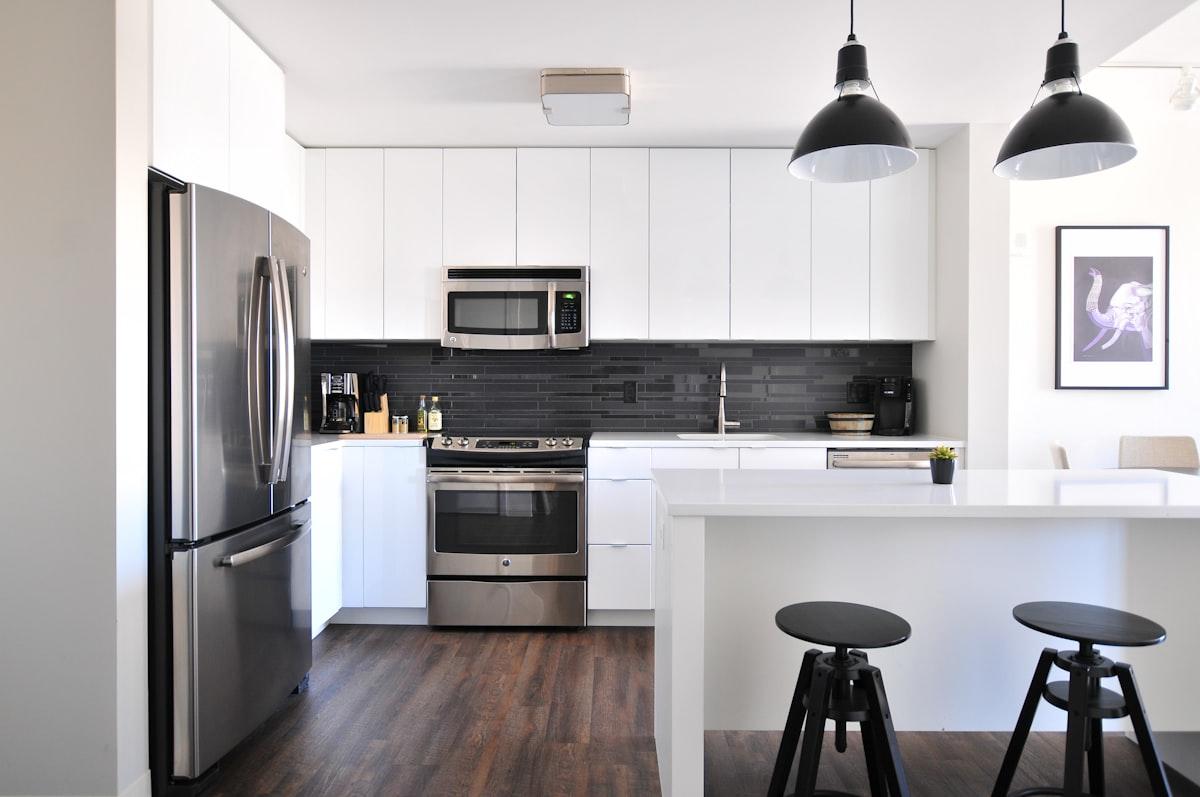
The end-of-tenancy inspection is where deposit disputes are either prevented or created. Done properly, it protects your property, documents fair wear and tear, and sets you up for a quick re-let. Done carelessly, it invites adjudication, cost, and tenant complaints.
This guide shows you how to conduct a proper end-of-tenancy inspection. Whether you're self-managing or reviewing how your letting agent handles the checkout, these principles apply to every property in Middlesbrough and across Teesside.
Why This Matters (Before You Inspect)
Three things hinge on a thorough inspection.
Deposit claims stand or fall on evidence. If a tenant left damage — a burn in the carpet, a broken window, a heavily soiled oven — you need photographic proof and a clear record of the original condition. The government-approved deposit protection schemes consistently rule in favour of tenants when evidence is weak or missing. An inventory and photos from check-in, compared side-by-side with checkout photos, is what makes a claim defensible.
You need to know what to fix before the next tenant arrives. The weeks between tenancies are your window to repair, replace, or refresh. An inspection tells you exactly what needs attention: a broken sealant, a stained ceiling, a dodgy light fitting, a neglected garden. In the Middlesbrough market, the difference between a property re-let in two weeks versus one stuck empty for six weeks often comes down to how fast you reduce void periods between occupants.
Fair, transparent checkout protects your reputation. A tenant who watches you assess their damage fairly, who sees the photographs, who understands why a deduction is being made, is less likely to dispute it and more likely to leave you a positive review. That matters when you're building a strong relationship with tenants and hunting for the next one.
Before You Inspect: Four Steps to Preparation
1. Pull the Original Inventory
The inventory completed at move-in is your baseline. Every room, every fixture, every item is recorded with notes on condition. Without it, you cannot prove what was damaged versus what was always like that.
If you self-managed the tenancy and never created an inventory, your ability to defend deposit deductions is severely compromised. Adjudicators expect written records and photographs. A verbal agreement with the tenant about condition is worth very little in a dispute.
This is one of the most common and costly mistakes we see among Middlesbrough landlords who manage properties without professional support. If you're managing without inventories, prioritise creating one before the next tenancy starts.
2. Serve Notice of the Inspection Date
Give the tenant at least 48 hours' notice, ideally one week. The tenant has the right to be present, and you should encourage them to attend. A tenant who sees the inspection firsthand is far less likely to dispute deductions later — they understand exactly what is being assessed and why.
If the tenant cannot attend, proceed alone. Document the reason for their absence. Take photographs and video of every room.
3. Gather Your Tools and Checklist
Bring:
- The original inventory with photographs
- A camera or smartphone
- A torch (for under sinks, behind appliances, in loft spaces)
- A clipboard or tablet for notes
- A detailed checklist covering every room and all common items
A property maintenance checklist keeps you systematic. You're less likely to miss a problem if you're ticking boxes rather than relying on memory.
4. Know What "Normal Wear and Tear" Means
This distinction prevents 80% of deposit disputes. Before you inspect, clarify it in your mind.
Wear and tear is the gradual, inevitable deterioration from living in a home. Faded paint, minor scuffs on walls, light carpet wear in high-traffic areas, slight discolouration of bathroom fittings — all normal wear and tear. The longer the tenancy, the more wear and tear is expected. A five-year tenancy will show more wear than a one-year tenancy in the same property.
Damage is deterioration caused by negligence, carelessness, or misuse. Burn marks, large stains, broken fixtures, holes in walls, missing items — these are damage. The tenant is liable for reasonable repair or replacement costs.
The fairness test: Would a reasonable person, seeing this, conclude the tenant has caused harm beyond normal living? If yes, it's chargeable. If no, it's wear and tear.
Room-by-Room: What to Check
Work through the property methodically. Photograph everything.
Living Areas, Hallways, Bedrooms
Walls and ceilings. Look for marks, scuffs, nail holes, paint damage, stains. Compare against the original inventory photos. Small nail holes from pictures or curtain rails are normal wear. Holes the size of a fist, or staining that suggests moisture damage, are chargeable.
Flooring. Inspect carpets for stains, burns, excessive wear. Check hard flooring (vinyl, laminate, wood) for scratches, chips, gouges. Normal traffic wear — particularly in hallways — is expected. A concentrated wine stain or cigarette burn is chargeable.
Windows and doors. Confirm windows open and close. Check locks, handles, hinges. Look for cracked or broken glass. Inspect door handles for wear and damage. Ensure all keys are accounted for.
Light fittings. Confirm all bulbs work. Check that light switches are clean and functioning. Look for damage to shades or fixtures.
Kitchen
The kitchen is where most disputes happen.
Oven and hob. Open the oven door and inspect the interior. Heavy soiling — burnt-on food, grease accumulation — is typically chargeable for professional cleaning. A clean or lightly soiled oven is wear and tear. Check the hob for burns, stains, or damage to the surface.
Extractor fan. Test it. Check the filter for grease accumulation. A heavily clogged filter suggests inadequate cleaning.
Worktops. Inspect for burns, cuts, stains. Normal kitchen use leaves some marks; significant damage is chargeable.
Cupboards and drawers. Open each cupboard and drawer. Check interiors for cleanliness, damage, and broken hinges.
Sink and taps. Check for leaks, stains, limescale. Test that taps work.
Appliances. If the property includes appliances (dishwasher, washing machine, fridge), test them and document their condition. Compare against the original inventory.
Bathroom
Toilet. Check for leaks, cracks, limescale, and cleanliness. Test the flush.
Basin. Inspect for cracks, stains, limescale. Check that taps work and don't leak.
Bath or shower. Look for cracks, stains, mould in grout and sealant. Test that the shower enclosure (if present) is intact. Deterioration of sealant over time is wear and tear, but mould caused by poor ventilation habits may be partially the tenant's responsibility.
Extractor fan. Test it. A working fan is essential for preventing mould.
Walls and ceiling. Inspect for water stains, mould, or damage. Small areas of mould may be wear and tear; extensive mould suggests the tenant failed to ventilate properly.
Garden (If Applicable)
Many Middlesbrough properties — particularly semis and detached houses in TS5, TS7, and TS8 — have gardens. The tenant is responsible for maintaining the garden in a reasonable condition: mowing, keeping paths clear, removing dead plants, preventing rubbish accumulation.
A garden that is clearly neglected — knee-high grass, dead plants, rubbish piled up — may justify a deduction for the cost of restoration. Compare against photos from the original inventory. For guidance on what reasonable garden condition looks like between tenancies, see our garden and exterior maintenance guide.
Gardens grow weeds. Some overgrowth is normal. Wholesale abandonment is not.
Storage, Loft, Sheds
Check any storage spaces included in the tenancy. Ensure the tenant has not left personal items behind. Storage areas should be reasonably clean and free of damage.
Damage vs. Wear and Tear: Real Examples
These examples help you calibrate your judgment:
| Condition | Wear and Tear? | Why |
|---|---|---|
| Faded paint on a living-room wall (2-year tenancy) | Yes | Gradual discolouration from light and air is expected. |
| Hole in a wall, 50mm diameter | No | Damage from carelessness. Chargeable for filling and repainting. |
| Light scuffing on skirting boards | Yes | Inevitable from moving furniture and daily use. |
| Ink or marker stains on a wall | No | Deliberate marking. Chargeable for repainting. |
| Worn carpet pile in hallway (4-year tenancy) | Yes | Expected from foot traffic. |
| Cigarette burn in carpet | No | Negligent use. Chargeable for repair or replacement. |
| Slight limescale on bathroom taps | Yes | Mineral deposits from water. Normal. |
| Cracked bathroom tile | No | Accidental or negligent damage. Chargeable. |
| Garden with some weeds | Yes | Weeds grow. Reasonable maintenance expected. |
| Garden overgrown, paths impassable | No | Neglect. Chargeable for clearance. |
After the Inspection: The Documentation Process
Write the Checkout Report
Within 24 hours, produce a written checkout report documenting every room and any discrepancies from the original inventory. Include:
- Date and time of inspection
- Names of people present
- Condition of each room (comparing to original inventory photos)
- Photographs of every area of concern
- List of any proposed deductions with reasons and amounts
This report is your evidence if a dispute goes to adjudication.
Communicate the Findings
Send the report to the tenant within five working days of checkout. If you propose deductions, explain each one clearly:
- What: The item or area of damage
- Why: How it exceeds wear and tear
- Cost: The reasonable cost to repair or replace, adjusted for age
- Evidence: Side-by-side photos showing original vs. current condition
Give the tenant 14 days to respond. A fair landlord who presents clear evidence rarely faces disputes.
Resolve the Deposit
If the tenant agrees with the deductions, the deposit scheme releases funds accordingly — usually within 10 working days.
If the tenant disputes the deductions, the matter goes to the deposit scheme's free adjudication service. The adjudicator reviews evidence from both sides and issues a binding decision. This takes 4–6 weeks typically. Adjudicators favour landlords who have clear, photographic evidence and fair assessments.
Prepare for the Next Tenancy
Once the inspection and deposit process are complete, arrange any repairs, cleaning, or upgrades before re-letting. A well-presented property between tenancies can be let within two weeks. A neglected one sits empty for months.
Once you're ready to let again, finding reliable tenants is the next critical step.
Frequently Asked Questions
Q: Can I keep the deposit if the tenant doesn't return the keys? A: No. The deposit is for legitimate wear-and-tear deductions and cleaning costs. A missing key is separate — you can claim for a replacement lock, but you cannot simply keep the entire deposit. Clearly separate the cost of a replacement lock from the deposit deduction.
Q: What if I didn't create an inventory at the start? A: You are significantly disadvantaged. You cannot prove the original condition, so adjudicators will usually rule in the tenant's favour if any deduction is disputed. Create an inventory for the next tenancy. For current properties, take detailed photos now and keep them on file.
Q: How much can I deduct for cleaning? A: Only the cost of returning the property to the condition it was in at check-in. If the original inventory said "clean", you can deduct reasonable costs for professional cleaning to return it to that state. If the property was left in poor condition by the tenant, deductions are justified. Routine cleaning that you'd do between any tenancies is not a deductible cost — it's your responsibility to present the property ready for the next tenant.
Q: The tenant disputes a deduction. What happens next? A: The deposit scheme manages the adjudication process. You submit your evidence (photos, inventory, checkout report, quotes for repairs). The tenant submits theirs. The adjudicator reviews both and makes a binding decision. The process is free and usually takes 4–6 weeks.
Q: Can I deduct money for damage the tenant caused but then repaired? A: No, not if the repair was completed to a professional standard and the property is genuinely back to its original condition. If you're uncertain whether the repair is adequate, obtain a professional quote for comparison. If a repair is shoddy, you can deduct the cost of doing it properly.
Q: Is mould always the tenant's fault? A: No. Mould can result from structural dampness, poor ventilation, or inadequate heating — the landlord's responsibility. Mould from the tenant failing to ventilate a naturally damp bathroom is partly the tenant's fault. The distinction is complicated. If significant mould is present, obtain professional advice before deducting.
Q: How long do I have to return the deposit? A: The deposit scheme must hold the funds until the dispute is resolved (if there is one). If there is no dispute, the scheme releases funds within 10 working days of the landlord authorising the release. If there is a dispute, funds are held until adjudication is complete (usually 4–6 weeks). You cannot simply keep money "pending resolution" — it must be held in a government-protected scheme.
Q: Can I charge for normal wear and tear if the tenant stayed a long time? A: No. Wear and tear is expected and increases with tenancy length. A five-year tenancy will show more wear than a one-year tenancy, but it is still wear and tear and not chargeable. This is why adjusting for age is important — a new oven replaced after four years of use is worth less than a new oven, but a tenant is not liable for that depreciation.
Getting It Right: A Recap
A proper end-of-tenancy inspection is built on three foundations:
-
A baseline. The original inventory with photographs, taken at check-in. Without this, you have no evidence.
-
A systematic process. Work room by room. Take photographs. Compare against the original. Document everything. Consistency beats memory.
-
Fair judgment. Understand wear and tear. Apply the fairness test. Deduct only for genuine damage. A fair landlord who presents clear evidence is rarely disputed.
The cost of skipping this — disputes, adjudication, tenant complaints, delayed re-lets — far exceeds the time investment in doing it right. Whether you manage properties yourself or work with a letting agent, this is the standard you should expect.
If you're a Middlesbrough landlord who wants professional checkout inspections, thorough documentation, and transparent deposit handling, Ascot Knight manages the entire process on your behalf. Our experience across Teesside means we know what adjudicators expect and how to present evidence that stands up to scrutiny.
Get in touch to discuss how we can protect your investment and streamline your letting process.